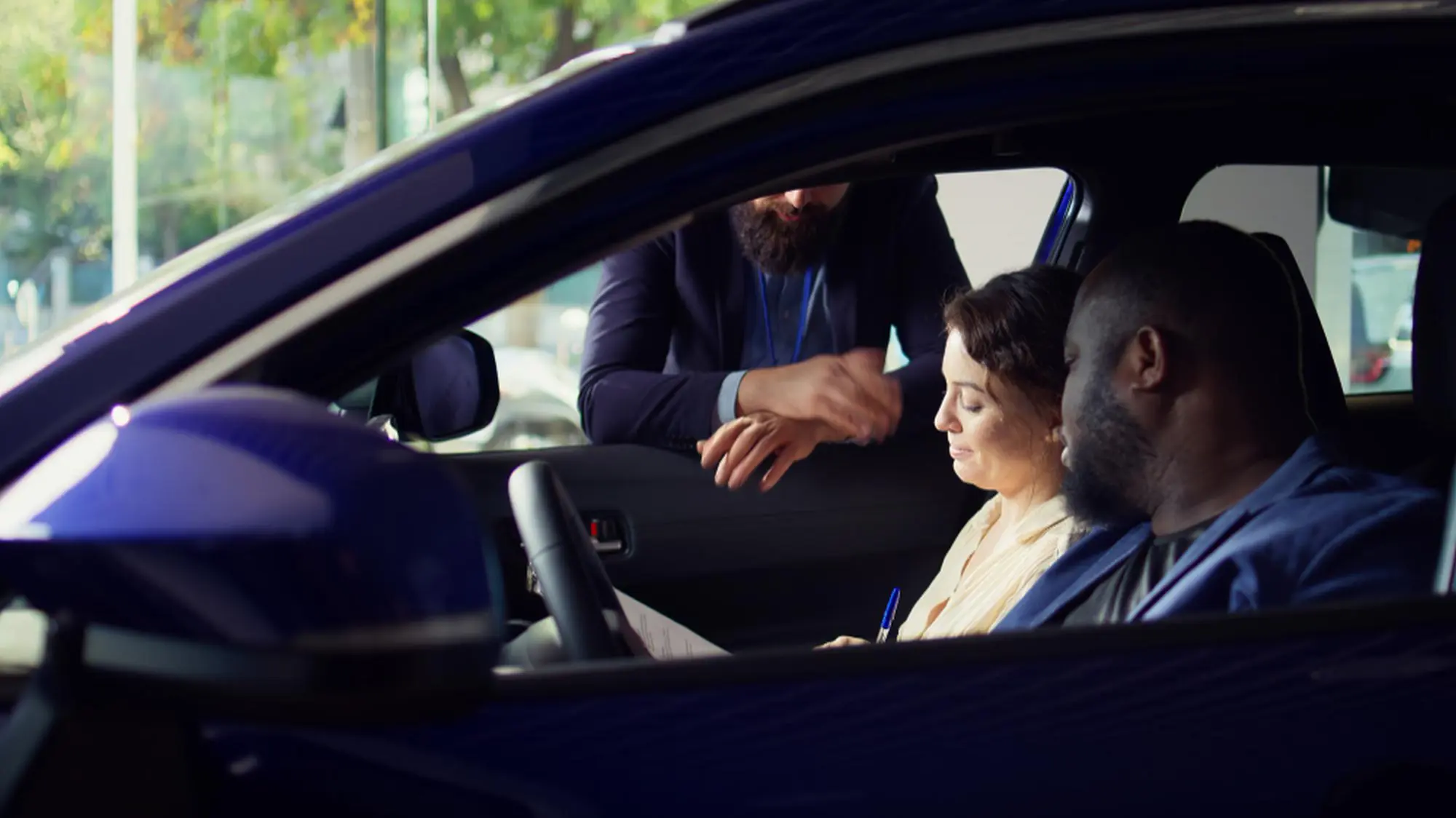
When choosing a car insurance company in California, review its coverage options, policy limits, deductibles, available discounts, and claims support. Looking at these points first makes it easier to understand what a policy actually covers.
California requires financial responsibility for vehicles operated or parked on California roadways. Drivers must carry evidence of financial responsibility and provide it when requested by law enforcement, when renewing vehicle registration, and when involved in a traffic collision. SoCal Insurance & Financial Services helps drivers understand auto insurance in California options and request a personalized quote.To go through the coverage details, contact our Huntington Beach team and talk about the choices available.
Why the Lowest Quote Is Not Always the Best Choice
A lower premium has real value when you look at car insurance companies in California. However, the cheapest quote can hide a higher deductible, lower liability limits, limited optional coverages, or policy restrictions that affect the coverage you receive.
A simple way to think about it is this: the premium tells you what you pay each month; the policy tells you what happens after a loss.
Before choosing, look closely at:
-
Liability limits
-
Collision and comprehensive deductibles
-
Uninsured and underinsured motorist coverage
-
Rental reimbursement
-
Exclusions
-
Claims process
-
Payment terms and renewal conditions
Two quotes with the same monthly price can be very different. One might have higher liability limits and better claims support; the other might have different deductibles or coverage options.
What Are California’s Minimum Auto Liability Requirements?
Most California drivers meet the state’s financial responsibility requirement through liability insurance. For standard private-passenger policies, the minimum liability limits are:
For standard private-passenger policies, the minimum liability limits are:
-
$30,000 for injury or death to one person
-
$60,000 for injury or death to more than one person
-
$15,000 for property damage
Liability coverage helps pay for injuries or property damage you cause to others. It does not pay for damage to your vehicle. Comprehensive and collision coverage do not satisfy California’s financial-responsibility requirement.
That distinction matters. A policy with comprehensive and collision coverage may protect your car, but it still needs liability coverage to meet California’s legal requirement.
How Do You Compare Car Insurance Companies Without Missing Hidden Costs?
The easiest way to compare car insurance companies is to request quotes using the same information. If one quote has a lower premium but a higher deductible or lower limits, it may not be a better deal.
Use this simple process:
-
Use the same driver details. List all licensed drivers in your home and their estimated annual mileage
-
Use the same vehicle details. Include the year, make, model, VIN, and whether the car is financed or leased.
-
Match the liability limits. Do not compare a 30/60/15 policy with a policy that has higher limits.
-
Compare deductibles separately. A $500 deductible and a $1,000 deductible can create a major difference in out-of-pocket cost.
-
Review optional coverages. Ask whether rental reimbursement, roadside assistance, or uninsured-motorist coverage is included.
-
Ask about the renewal price. A quote is an estimate, so ask whether the quoted premium could change after the first policy period.
The California Department of Insurance advises drivers to get several quotes and compare policies before buying. It also recommends asking for the complete name of the insurance company that will issue each policy.
And:issue each policy.
And:ssue each policy.
And: issue each.
How Can You Check Whether a Car Insurance Company Is Reliable?
Online reviews are useful, but they should not be the only source you rely on. It is better to verify the company and look at how it handles claims and customer service.
Before choosing from California auto insurance companies, check
-
Licensing: Confirm that the insurer is authorized to do business in California.
-
Consumer complaint information: The California Department of Insurance provides a consumer complaint study that can help you review an insurer’s complaint record.
-
Claims process: Ask how to report a claim, what documents are needed, and how repairs are approved.
-
Policy clarity: A good insurer should be able to explain exclusions and limits in plain language.
-
Service availability: Ask how you can reach the company for billing questions, policy changes, or claim updates.
A company that communicates these details clearly makes it easier to select coverage with confidence.
Which Auto Insurance Companies Fit Different Drivers?
The right auto insurance company changes from one driver to the next. What works well for one policyholder may not suit another driver’s vehicle, budget, or risk level.
New drivers often have limited driving history, which can affect pricing. Families adding a teen driver should ask whether the insurer offers good-student discounts, driver-training discounts, or a better rate for adding the teen to an existing policy.
Ask:
-
Does the policy require the teen to be listed?
-
Are there discounts for good grades or approved driver-training programs?
-
How do accidents or moving violations affect coverage and renewal pricing?
Daily commuters
Drivers who are often in traffic should pay closer attention to their liability limits. The more you drive, the greater the chance of an accident, so review your current limits to see if they still match your driving habits.
Drivers with financed or leased vehicles
If you finance or lease a vehicle, your lender may require collision and comprehensive coverage. Ask whether the policy meets your lender’s requirements and whether gap coverage may be worth discussing.
For a covered physical-damage claim under a standard auto policy, payment is generally based on the cost to repair the vehicle or its actual cash value, subject to the policy terms. If a covered total loss leaves you owing more on a loan or lease than the vehicle’s value, gap coverage may help address that difference.
Rideshare and delivery drivers
If you drive for Uber, Lyft, or a delivery app, ask whether your policy allows that use. Personal auto insurance may not cover every stage of rideshare activity, so you may need a rideshare endorsement or separate coverage.
Classic-car owners
A standard policy may not be ideal for a classic or collector vehicle. Specialized coverage may offer agreed-value protection and terms designed for vehicles that are not driven daily.
What Coverage Decisions Matter More Than the Monthly Premium?
Some coverage choices have a bigger impact after an accident than the premium itself. These are the details worth reviewing before you sign anything.
Liability limits
California’s minimum limits meet the legal requirement, but higher liability limits may provide more room for protection after a serious accident. The right limit depends on your vehicle, driving habits, and financial situation.
Deductibles
A higher deductible can lower the premium, but it increases what you pay before collision or comprehensive coverage applies. Choose a deductible you could reasonably manage after an unexpected loss.
Uninsured and underinsured motorist coverage
California insurers offer uninsured and underinsured motorist coverage, and drivers who decline it must sign a waiver. This coverage may help in certain situations involving a driver who has no insurance or insufficient insurance.
Rental reimbursement
If you rely on your car for work, school, or family responsibilities, rental reimbursement may matter. It can help with the cost of a rental car while your vehicle is being repaired after a covered accident.
Exclusions
Ask whether the policy excludes certain drivers, vehicle uses, or modifications. The California Department of Insurance advises drivers to review their policy before allowing others to drive because some drivers may be excluded.
Can Low-Cost Car Insurance in California Still Meet the Law?
Yes, but it is important to understand the trade-off. California’s Low Cost Automobile Insurance Program is available to income-eligible drivers and offers liability limits lower than the standard state minimums.
The program’s liability limits are:
-
$10,000 for bodily injury or death per person
-
$20,000 for bodily injury or death per accident
-
$3,000 for property damage per accident
To qualify, a driver generally must meet income-eligibility requirements, have a valid California driver’s license, own a vehicle valued at $25,000 or less, and have a qualifying driving record.
This program may help eligible drivers meet California’s financial-responsibility requirement. As with liability coverage, it does not cover damage to your vehicle. The lower limits may not provide as much protection as a standard policy with higher liability limits.
How Do You Make the Final Decision?
Once you have collected quotes, create a simple scorecard. Rate each company on the factors that matter most to you.
-
Factor
What to review
Why it matters
Premium
Is the price competitive for the same coverage?
Helps manage monthly costs
Liability limits
Are the limits appropriate for your risk?
Affects protection after a serious accident
Deductibles
Can you afford the deductible after a claim?
Affects out-of-pocket costs
Claims service
Is the process clear and responsive?
Matters most after an accident
Discounts
Can you qualify for real savings?
May reduce the premium
Policy clarity
Are exclusions and limits explained?
Helps avoid surprises later
A suitable choice should balance price, coverage, service, and policy clarity based on your needs.
And:
How to Choose a Car Insurance Company in California With Confidence
Choosing a car insurance company in California becomes easier when you focus on the details that matter most: coverage options, policy limits, deductibles, discounts, and claims support. Reviewing these areas can help you understand what each policy includes and make a more informed decision.
If you would like a clearer view of your auto insurance options, Kari and the SoCal Insurance team can review your current policy, explain available coverage options, and help you request a personalized auto insurance quote. Contact SoCal Insurance & Financial Services in Huntington Beach to discuss available coverage based on your driving needs.
Frequently Asked Questions
What information should I have ready when requesting a car insurance quote?
Have your driver’s license, current policy, vehicle registration, VIN, annual mileage, and details for each driver in your household ready. This can help make the quote process smoother.
What information should I have ready when requesting a car insurance quote?
Liability coverage generally helps pay for injuries or property damage you cause to others. Collision and comprehensive coverage may help with certain damage to your vehicle, depending on the policy and circumstances.
Are online car insurance quotes final?
Online quotes are usually estimates. The final premium can depend on additional details, underwriting requirements, coverage selections, and the information provided during the application process.
Can I add or remove a driver from my car insurance policy later?
Yes, many policies allow coverage updates when your household or driving situation changes. Contact your insurance professional to review the policy details and available options.
What is an auto insurance endorsement?
An endorsement is an addition or change to a policy that may adjust how coverage applies. Rideshare coverage is one example, though available endorsements and terms vary by insurer and policy.