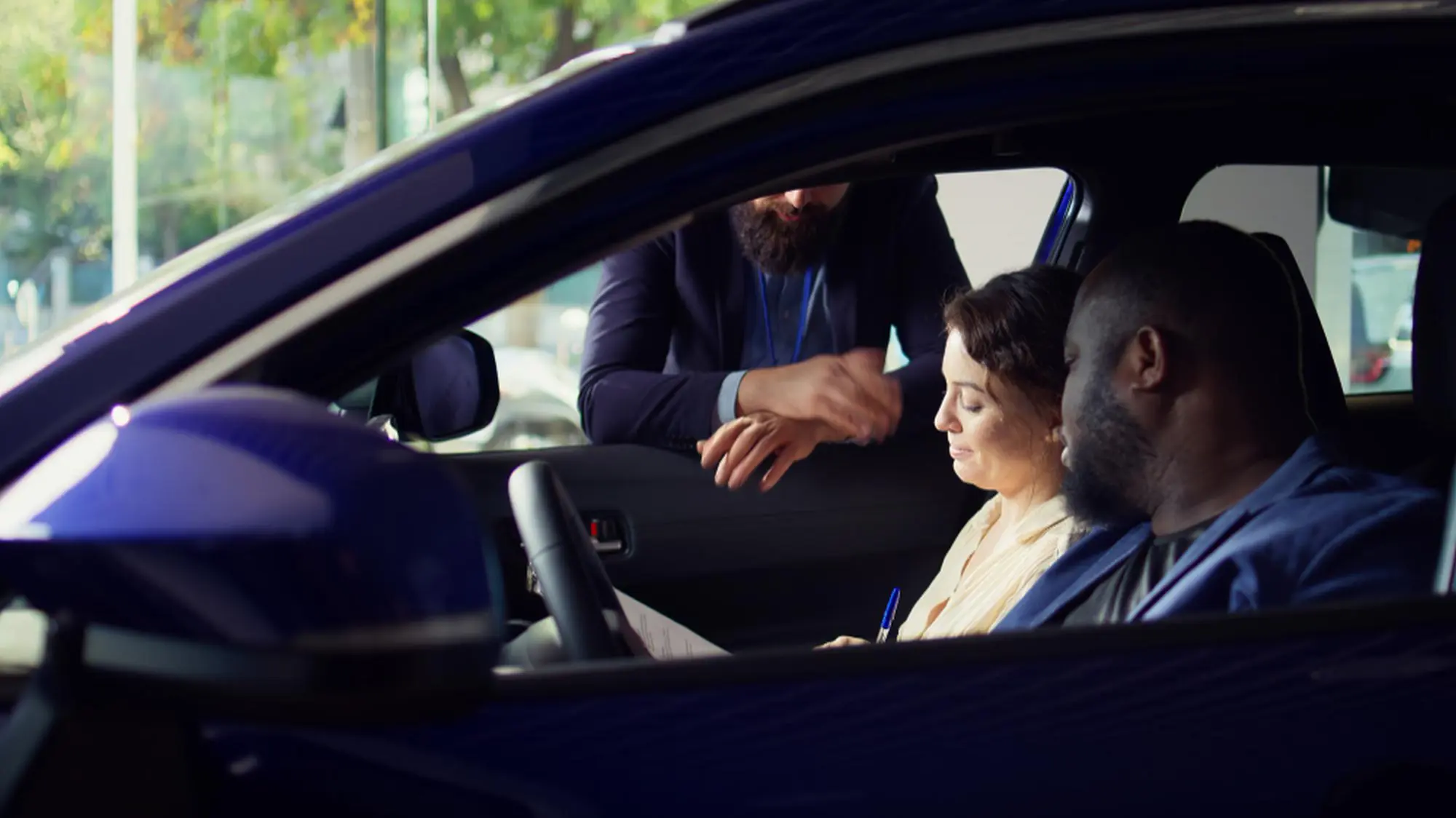
Driving for Uber or Lyft gives many California residents an opportunity to earn money using a vehicle they already own. Some people drive after their regular work hours, while others spend much of the day accepting passenger requests. Regardless of how frequently you drive, using a personal vehicle for paid transportation brings additional insurance considerations.
A personal auto policy is designed around the vehicle’s permitted use and the conditions listed in the contract. When you begin transporting passengers through a rideshare platform, the way you use your car changes. The insurance maintained by the platform may also apply differently depending on your activity.
Understanding insurance for rideshare drivers means knowing what your personal policy provides, what the platform’s insurance may cover, and where the two may not provide the same protection. California drivers should review these details before starting rideshare work rather than waiting until an accident occurs.
SoCal Insurance & Financial Services helps California drivers understand auto insurance options, coverage limits, deductibles, and important policy conditions. Here are some important points to consider when reviewing rideshare coverage.
Why Should Rideshare Drivers Review Their Insurance Separately?
Using a personal vehicle for rideshare work is not the same as driving only for personal reasons. When you accept passengers through an app, you are using your car for transportation services in exchange for payment.
This distinction matters because some personal auto insurance policies contain exclusions or restrictions for vehicles used to carry passengers for compensation. The policy you purchased for everyday driving may not provide the same protection during every stage of rideshare activity.
For example, a driver may have collision and comprehensive coverage for personal use but misunderstand whether those protections apply while logged into a rideshare app. The platform may maintain certain insurance arrangements, but those arrangements have their own conditions.
Before accepting your first passenger, contact your insurance company. Explain whether you plan to drive for Uber, Lyft, or both. Ask how your current policy treats this activity and whether a rideshare endorsement or another coverage option is available.
How Does California Treat Rideshare Insurance?
In California, rideshare companies are generally known as Transportation Network Companies (TNCs). These companies connect passengers with drivers through online platforms and use insurance arrangements to address certain risks associated with paid transportation.
California has insurance requirements for TNC activity. The required protection depends on the stage of the driver’s activity.
California requires TNC insurance that varies by period. Required TNC coverage does not automatically include medical payments, collision, or comprehensive coverage for the driver’s vehicle. During Period 3, however, TNCs must provide uninsured and underinsured motorist coverage of $60,000 per person and $300,000 per incident.
This is an important distinction for anyone who depends on a personal vehicle for rideshare income. Liability protection for other people and physical damage protection for your own car are different insurance considerations.
Drivers should review the current information from their rideshare platform and their personal insurer to understand which protections apply to their situation.
What Are the Different Rideshare Insurance Periods?
Rideshare insurance is commonly explained through different periods of app activity. Knowing which period you are in can help you understand why coverage may change during a working day.
When the App Is Turned Off: Outside California’s TNC Insurance Periods
When the rideshare app is off, you are not available to accept passenger requests. Your vehicle is being used for personal transportation, such as commuting, shopping, or visiting family.
Your personal auto policy generally applies according to its terms and exclusions. Uber and Lyft do not provide their rideshare coverage for ordinary personal driving when their respective apps are off.
Drivers should maintain the personal auto insurance required for their vehicle and understand the limits and coverage included in their policy.
Period 1: You Are Waiting for a Ride Request
Period 1 begins when you log into the rideshare app and become available to receive requests. You may be parked, driving through an area with frequent requests, or waiting for a passenger to book a ride.
California has specific liability insurance requirements for this period. The California framework includes primary third-party liability coverage of at least $50,000 for injury or death to one person, $100,000 for injury or death to multiple people in one incident, and $30,000 for property damage, along with required excess coverage.
However, liability insurance does not automatically pay for damage to your own vehicle or every medical expense you may experience. Those protections need to be reviewed separately.
Period 2: You Have Accepted a Ride Request
Period 2 begins after you accept a passenger request but before the passenger enters your vehicle. You may be traveling to the pickup location when an accident occurs..
California requires TNC insurance during this stage, including at least $1 million in primary coverage for death, personal injury, and property damage.
Even with this liability requirement, drivers should not assume that every personal loss is covered. Review the platform’s policy details to understand the treatment of vehicle damage and injuries involving the driver.
Period 3: A Passenger Is in Your Vehicle
Period 3 begins when the passenger enters the vehicle and continues until the passenger exits the vehicle.
California requires $1 million in primary commercial insurance during Period 3. TNCs must also provide uninsured and underinsured motorist coverage of $60,000 per person and $300,000 per incident during this period.
The exact terms and claims procedures should be checked through the platform’s current insurance documents.
Does Rideshare Platform Insurance Cover Your Personal Vehicle?
This is one of the most important questions drivers should ask. A platform’s liability coverage is not the same as coverage for damage to the driver’s own vehicle.
The California Department of Insurance points out that TNC liability insurance is not required to include collision or comprehensive coverage for the driver’s car. As a result, a driver should not assume that the platform will pay for every repair after an accident.
Uber and Lyft describe additional vehicle damage protection under certain conditions. For example, their current insurance information explains that contingent comprehensive and collision protection may depend on the driver maintaining those coverages on their personal auto policy. Deductibles and other policy conditions may apply.
Before relying on this protection, check:
- Whether your personal policy includes collision coverage.
- Whether comprehensive coverage is included.
- Whether the platform’s vehicle damage protection applies to your trip period.
- What deductible may apply to a covered claim.
- Whether the vehicle’s actual cash value affects the payment.
If you finance or lease your vehicle, also review your lender’s insurance requirements. A damaged vehicle can create financial difficulties if the available insurance does not match your expectations.
Which Coverage Details Should Drivers Pay Attention To?
Understanding the names of different coverage types is helpful, but knowing what each one may do is even more important.
Liability Protection
Liability coverage generally helps pay for injuries or property damage you cause to another person in a covered accident. During rideshare activity, the applicable TNC policy may provide liability protection based on the stage of rideshare activity.
Drivers should understand the limits that apply while waiting for a request and after accepting a passenger.
Collision and Comprehensive Protection
Collision coverage may help pay for damage to your vehicle following a covered collision. Comprehensive coverage may help with certain non-collision losses, such as theft, fire, vandalism, or specified weather-related damage.
These coverages are particularly important to review if you depend on your car for rideshare work. Ask how your personal policy and the platform’s insurance arrangements work together.
Uninsured and Underinsured Motorist Protection
An accident may involve another driver who has no insurance or does not have enough liability coverage to pay for the injuries they cause.
Uninsured and underinsured motorist protection may help in certain circumstances, subject to the applicable policy and coverage period. Check whether protection is available through your personal policy or the rideshare platform.
Medical and Injury-Related Protection
An accident can leave a rideshare driver facing medical expenses or time away from work. California’s required TNC liability coverage does not automatically provide every type of medical or disability benefit.
Drivers should review any applicable occupational accident or medical payments coverage. Available benefits and eligibility conditions can differ between platforms and policies.
What Should You Ask Before Choosing Rideshare Coverage?
Before deciding whether your current insurance is suitable, prepare a few questions for your insurer or insurance professional.
Does my current policy allow rideshare activity? Ask whether the policy contains restrictions related to carrying passengers for payment.
Is a rideshare endorsement available? Some insurers offer an endorsement or a separate policy option designed for app-based driving. Availability and terms vary.
When does the platform’s insurance apply? Confirm how coverage changes when the app is off, when you are waiting for a request, and when a passenger trip is underway.
What happens if my vehicle is damaged? Ask whether your personal collision and comprehensive coverage are required for any additional platform protection.
Which deductibles apply? Understand what you may need to pay out of pocket before a covered claim is paid.
Are there exclusions I should understand? Ask about vehicle use, listed drivers, business activities, and other policy conditions that could affect a claim.
Getting clear answers can help you understand your insurance arrangements before you begin driving.
How Can Rideshare Drivers Prepare for an Insurance Claim?
An accident can be stressful, especially when you are carrying a passenger or traveling to a pickup location. Knowing what information to provide can make the reporting process easier.
First, check whether anyone needs medical attention. Contact emergency services when necessary and follow applicable accident reporting requirements.
If it is safe, collect the other driver’s contact and insurance information. Take photographs of the vehicles, visible damage, and the surrounding scene. Keep details about the time and location of the accident.
Report the incident through the rideshare platform and follow its claim instructions. You should also notify your personal insurer as required by your policy. Explain whether the app was off, whether you were waiting for a request, or whether you had accepted or started a trip.
Keep copies of claim numbers, photographs, and communications. Do not assume that one insurer will automatically handle every part of the incident. The applicable policies and circumstances will determine how the claim is reviewed.
Why Is Regular Policy Review Important for Rideshare Drivers?
Your insurance needs can change over time. You may begin driving only on weekends and later increase your hours. You might change vehicles, start using another rideshare platform, or move to a different area.
These changes can affect the information your insurer needs and the coverage questions you should review.
Make a habit of checking your policy when your driving activity changes or when you receive updated insurance documents from Uber or Lyft. Review your liability limits, deductibles, vehicle coverage, and exclusions.
You can also learn more about Understanding Your Auto Insurance Policy to review important auto insurance details and coverage considerations for California drivers.
SoCal Insurance & Financial Services helps California residents understand their auto insurance needs. Sharing accurate details about your rideshare activity can help the team discuss the coverage options and policy conditions that may apply.
Make Informed Decisions About Your Rideshare Coverage
Driving for Uber or Lyft involves more than meeting vehicle requirements and accepting passenger requests. It also means understanding how insurance applies when your personal vehicle is used for paid transportation.
Review the insurance maintained by your rideshare platform, check the terms of your personal auto policy, and ask questions about liability, vehicle damage, medical protection, deductibles, and exclusions. These steps can help you identify areas that deserve attention before an accident happens.
SoCal Insurance & Financial Services helps California drivers understand auto insurance options and important policy details. Contact us to discuss your insurance needs and learn more about rideshare coverage considerations.
Frequently Asked Questions
Is rideshare insurance different from regular auto insurance?
Yes. Rideshare driving involves using a personal vehicle to transport passengers for compensation. A personal auto policy may contain restrictions for this activity, while rideshare coverage is designed to address certain app-based driving situations.
Do California rideshare drivers need personal auto insurance?
Drivers must maintain the personal auto insurance required for their vehicles. They should also tell their insurer about their rideshare activity and understand how the personal policy works alongside the platform’s insurance.
Does rideshare insurance apply when the app is turned off?
The rideshare platform’s insurance generally applies to qualifying activity through its app. When the app is off, your personal auto insurance generally applies according to its policy terms.
Does California require rideshare companies to provide liability insurance?
Yes. California has TNC insurance requirements. The required liability limits depend on the stage of rideshare activity, with different requirements for waiting for a request and for accepted or active trips.
Will the rideshare company pay for repairs to my car?
Not automatically in every situation. Vehicle damage protection may depend on the platform’s policy, the trip period, and whether you maintain comprehensive and collision coverage on your personal policy. Deductibles and other conditions may apply.